Case study: The Göteborg Film Festival
This is behind the scenes of the ever-transforming Göteborg Film Festival.
Would you be willing to answer lie detector questions in a truth ticket office to earn festival tickets, have the process live-streamed over the World Wide Web, and show up as a liar in a TV show together with the other liars? It’s not fiction. With a focus on Truth for the 2026 years festival, the Göteborg Film Festival continues to show proof of its ever-transforming identity.
Background
The Göteborg Film Festival is the largest in the Nordic region and the premier annual meeting place for the Nordic film industry. The festival spans eleven days at the turn of January and February each year and is organised as a hybrid event, featuring both in-person and digital film screenings.
Heading the festival are Mirja Wester, CEO and with an overall responsibility of the festival, and Josef Kullengård, Head of Industry, responsible for everything that the festival does related to the film and TV industry as the main target group. The festival management is complemented by the Artistic Director, Pia Lundberg, who has the responsibility for the artistic identity of the festival, so it’s a joint leadership.
Mirja’s interest in the film industry comes from her interest in the audience experience. “What excites me is meeting the audience and matching them with the right film,” says Mirja. For Josef, it's the cinema's potential to blend art, society, politics, and emotions. “In a way, the multifunctional use of cinema as a concept, I think it's super interesting. And to see how that can evolve as the society evolves. The impact of cinema can have on society, I think that's where my interest comes from the most,” says Josef.
Mirja Wester, CEO, and Josef Kullengård, Head of Industry.
Who are the members of your selection committee, what does the selection process look like, and when does the work begin selecting the films screened to the audiences at the Göteborg Film Festival?
“We have a selection committee that consists of both year-long, year-round employees who work here, who are responsible for watching and selecting films. We have a Head of the Nordic Programme because we have a big focus on Nordic films, and Head of the International Programme. That is how we have divided the selection process”, says Mirja. “And then we have freelancers who work for us – they are journalists, film critics, producers, and attend different markets and festivals all around the world. Usually, they have responsibility for different geographical regions and markets, like someone who is an expert in African films, someone in Asian films, etc. They report back to us, and then the programme department selects and sends the invitations to films we’d like to be in the programme. We also have committees that nominate for the different competitions. Some of them have been selecting films for the Göteborg Film Festival for almost 40 years. What they have in common is that they love to watch films.”
How do you treat the Swedish contributions versus the Nordic, European, and international ones?
“The festival’s core identity is strongly Nordic. We position ourselves as the leading film festival and industry marketplace in the Nordic region. We treat Swedish films as part of the broader Nordic selection, so they’re handled similarly to Danish and Norwegian feature films and documentaries. The main exception is that we have a dedicated Swedish short film programme, which we don’t offer for the other countries. Overall, we put a lot of focus on Nordic productions – both through the Nordic Film Market and the festival programme. Another difference is that Nordic films are often newer, sometimes still in post-production, while the international festival team has usually already seen most of the global titles they consider,” says Josef.
Mirja continues, “We usually say that we have this dual mission to have the best films from all around the world screened for the audience in Göteborg, while at the same time being a platform for the Nordic films to reach the world.”
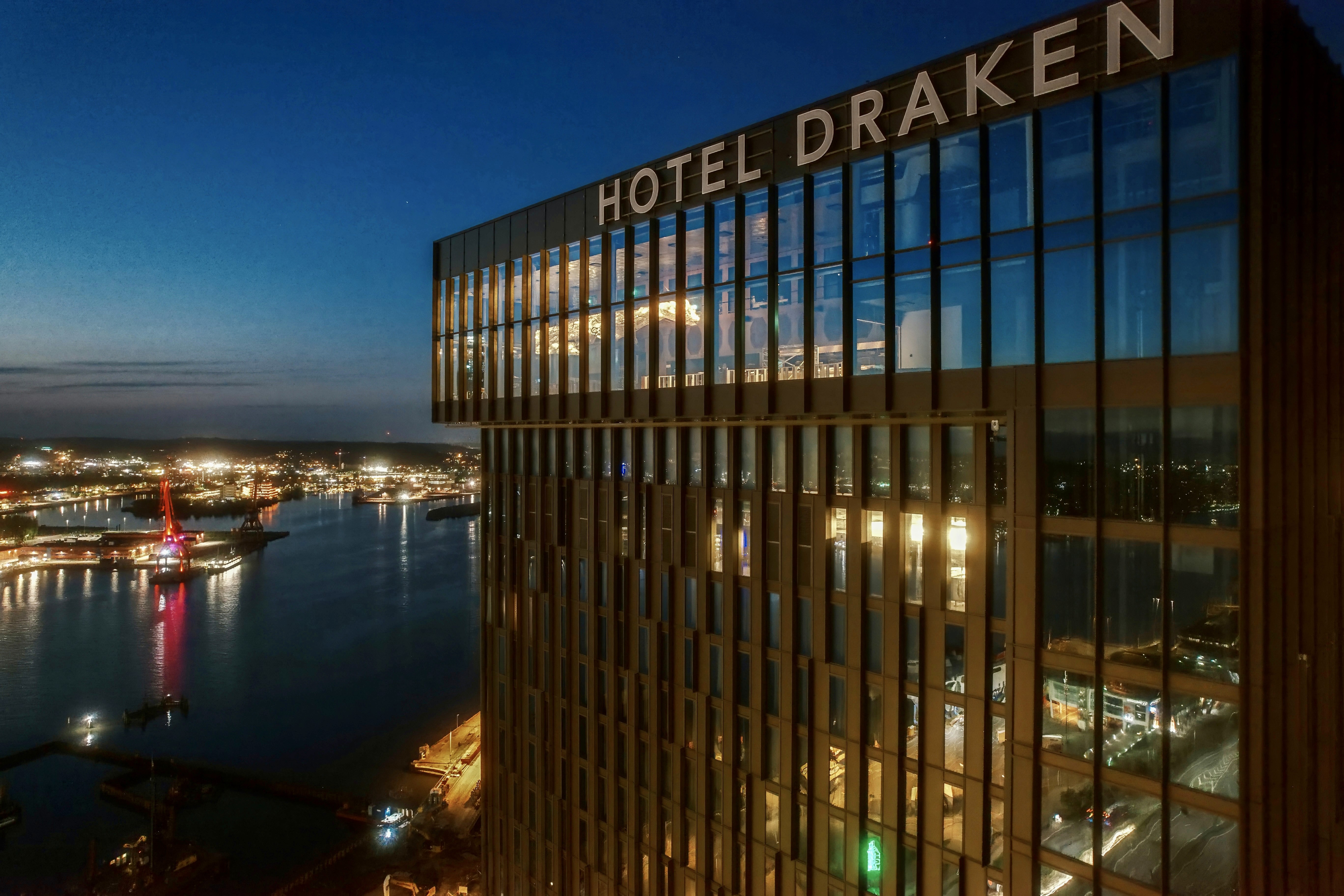
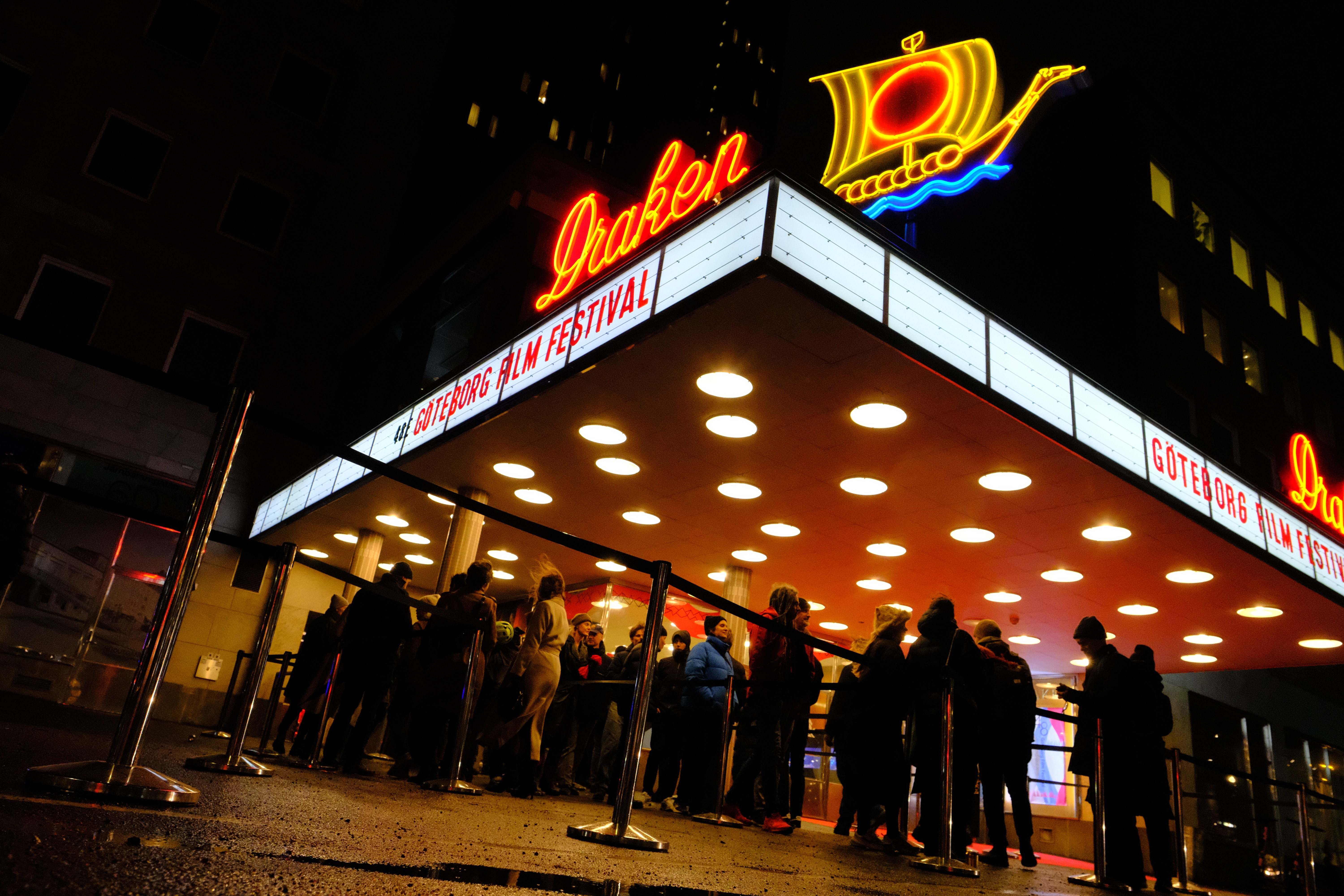
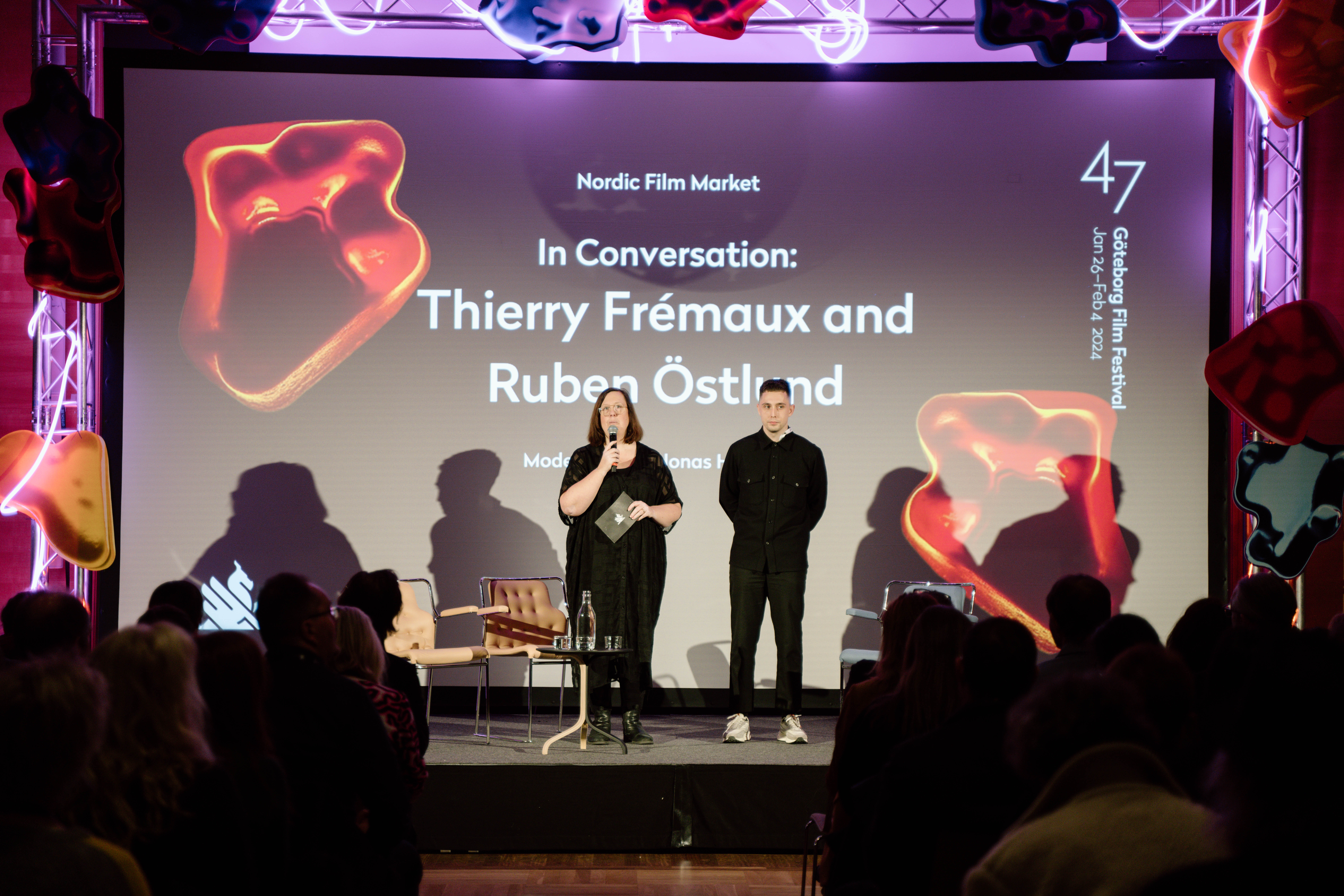
The opening of the film festival, TV Drama Vision and Nordic Film Market are held at the Hotel Draken in Göteborg, Sweden.
Each year, you select a focus for the Göteborg Film Festival. How do you select the focus, and what’s the story about this year’s focus, Truth?
“Each year’s focus usually begins with an artistic spark within the programming team - often inspired by a film we’ve seen or a trend we’ve noticed at other festivals. We look for themes that are emerging in contemporary storytelling. At the same time, the focus has to feel relevant to society, something that affects us as human beings and that film can help us reflect on. We want the festival to be more than a celebration of cinema; it should also engage with what’s happening in the world around us - socially, politically, and culturally,” says Josef.
Mirja continues, “We chose Truth as this year’s focus because we’re living in a sort of post-truth society, where the value of facts is constantly challenged and emotions often outweigh evidence. We want to explore how truth is shaped, distorted, and communicated and how the audiovisual industry plays a role in that. Film itself is a form of constructed reality: it can manipulate, question, and illuminate truth. So Truth is both a response to the current social climate and a reflection on the nature of cinema itself.”
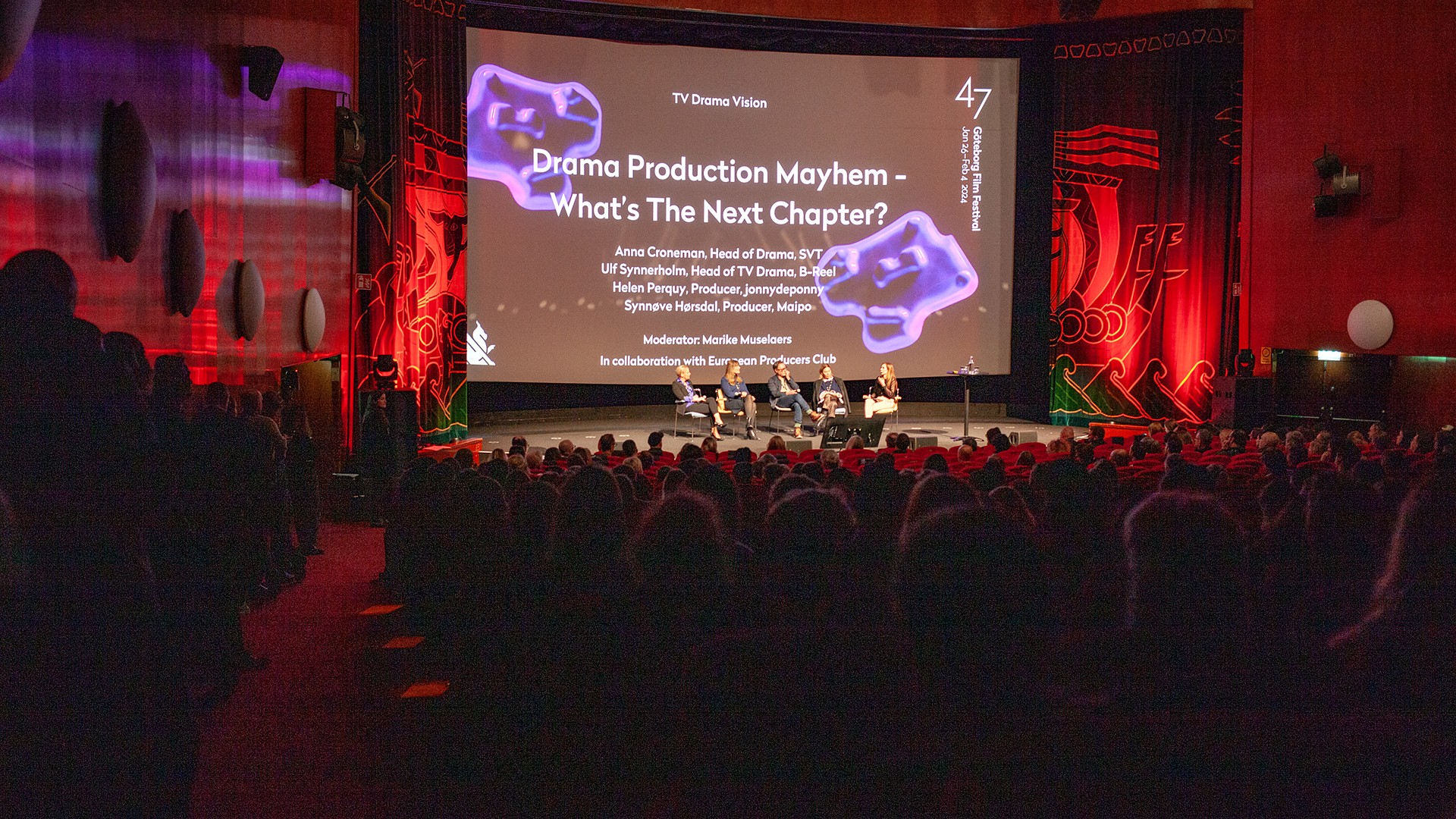
Cinema Draken in Göteborg, Sweden.
Planning your visit to the Göteborg Film Festival
As a regular visitor, you can visit the festival in many ways, and many of the core visitors see a lot of films. “The average number of films watched per attendee, according to our annual survey, is 11 films, which is a crazy amount of films. So many of our visitors are planning to squeeze in as much film as possible. That's one way to visit the Göteborg Film Festival,” says Mirja. “Personally, I would first pick a cinema that I want to go to, and then see what's screening at that cinema.”
From an industry visitor perspective, you can join a lot of industry activities and really be in Göteborg for the whole duration of the festival. “The usual industry visitor has limited time and resources. We really try to create platforms and events that align with what our target groups comprehend in a way. During the first festival weekend, we have a Swedish industry programme that's called Film Forum Sweden, which is like our national arena for discussions and meetings surrounding the Swedish industry and the future of Swedish film,” says Josef. “It's also when we have premieres of all the Swedish short films, and many Swedish documentaries and feature films. So if you are into Swedish industry and films, then you should come for the first weekend. We are targeting quite a broad spectrum of the industry on the first weekend. It's not only the decision-makers, but also the filmmakers, the post-production houses, the students and producers, and more,” says Josef.
“TV Drama Vision kicks off late Monday as our Nordic hub for drama series - bringing together the streamers, commissioners, producers, and creatives who have driven the region’s series - followed mid-week by the Nordic Film Market, our long-running, traditional film market attracting sales agents, buyers, distributors, programmers, and international producers seeking Nordic co-productions; the full international marketplace runs from Monday afternoon to Friday lunchtime, deliberately kept compact with no unnecessary extension.”
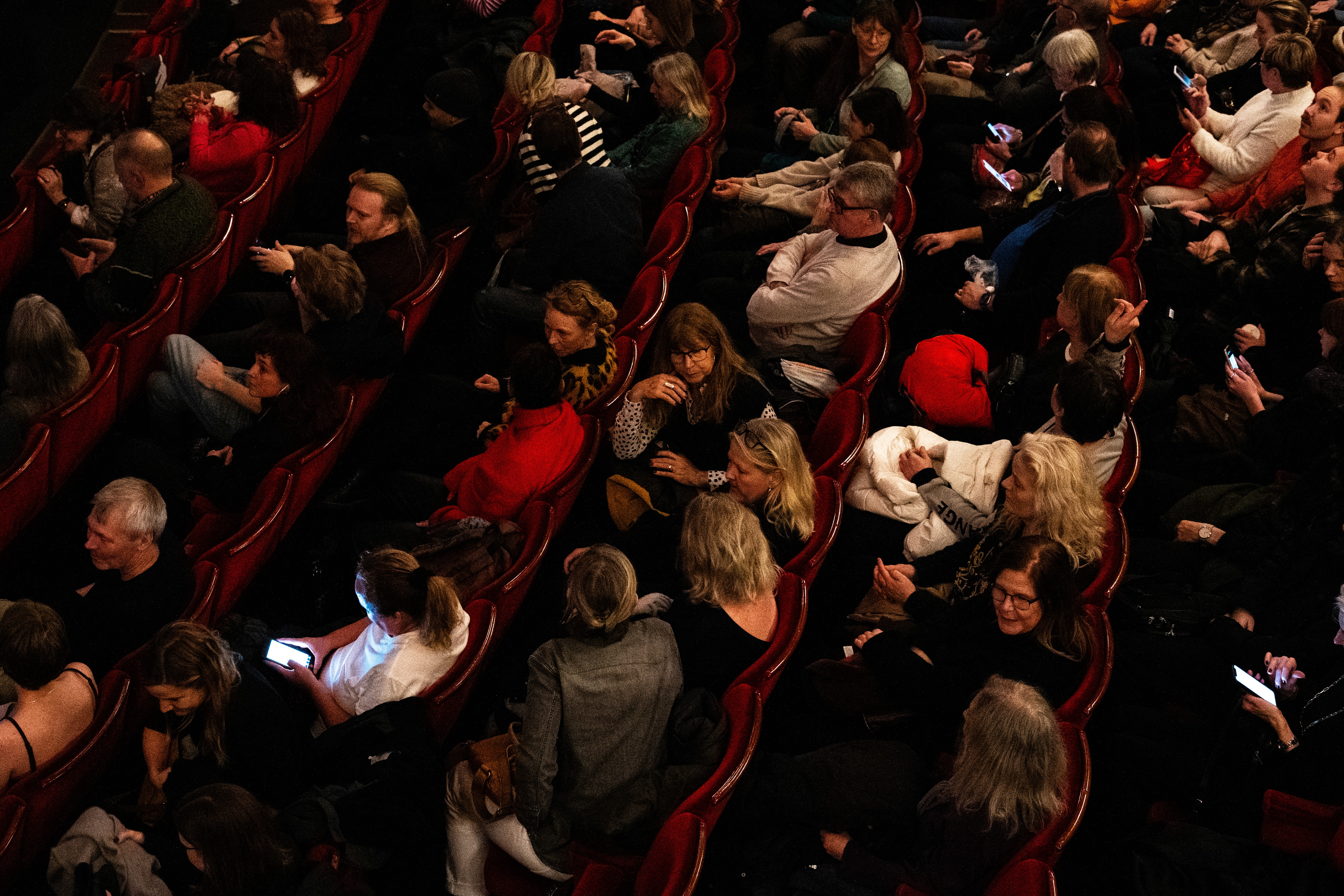
Big news for the upcoming Göteborg Film Festival
A completely new cinema will open up at Stigbergstorget in Göteborg that will be a venue for watching films, eating and drinking in the same place, while also enjoying music appearances. Hagabion, one of the most loved cinemas in Göteborg, has been temporarily shut down because of renovations.
One of the Göteborg Film Festival's more important things is to challenge the film industry and to challenge the film visitors. This year, and in correlation with the Focus: Truth, the Göteborg Film Festival will launch a new currency, the truth currency, where you can buy tickets for the festival at ticket offices with your truth. “You will be hooked up to a monitor, a truth detector, a lie detector, and you will be asked a lot of really hard questions. Slightly awkward questions, actually. And if you pass the test, you will get tickets for free. The currency is your truth. Is it expensive to buy cinema tickets these days? What is the value of truth today?” Mirja explains.
She continues: “The broader audience can also watch the people taking the test live on spot and see how people are behaving and if it's easy to tell the truth. We are also looking into doing some kind of event with all the liars that didn't pass. Who wouldn't want to be in a room full of liars, and you don't know what they failed on? Would they fail on, I always download illegally, or is it I have been cheating on my wife, or is it that I pee in the shower? You don't know”.
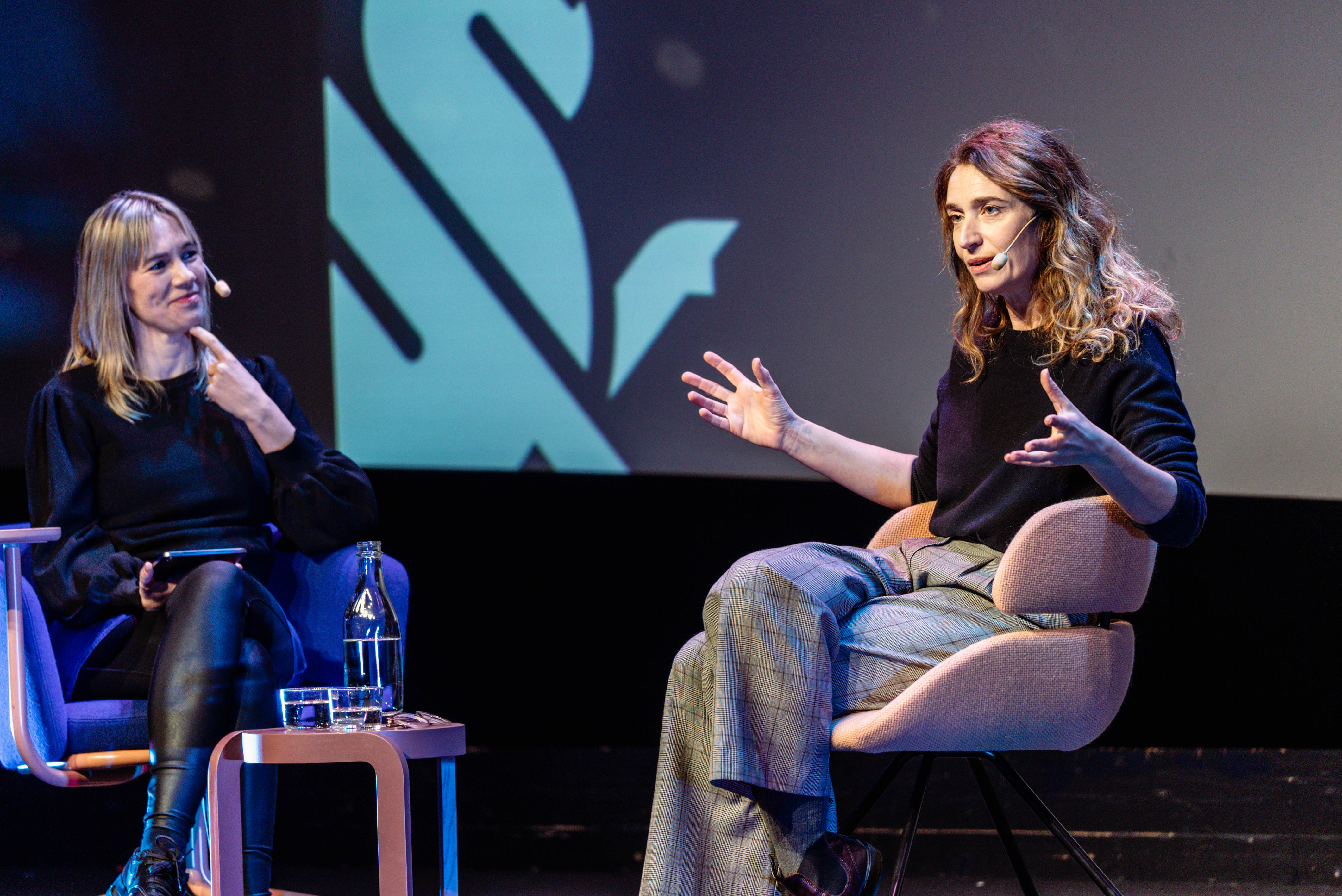
The future role of film festivals in general, and the Göteborg Film Festival in particular
From an audience perspective, the film industry is struggling regarding attendance, and the cinema is still the main distribution or income window for producers and distributors. “I think that you need to be someone who's trying to attract attendees to go to a physical event. As a film festival, I really think we have that in our DNA. The film festival is something that just pops up once a year. You need to attend it now; otherwise, you will miss out,” explains Mirja. “I think that film festivals will have a growing importance in getting people to love the cinema, the films, and cinematic culture. I think festivals really have a key role to play in the future of developing and sustaining cinema as an art as well, and streaming and cinematic experiences complement each other well.”
Josef says, “From an industry perspective, festivals can strengthen distribution, financing, insight, and knowledge. And that’s the space we’re trying to position ourselves in. Traditionally, a film’s success was measured by which A-festival it got into and how much it made at the box office. But that’s changing. There are many other, just as important, ways a film can have impact – through institutional screenings, schools, and not least film festivals. The American box office performs well, of course, but festivals are also essential for film to develop as an art form."
New technology - The use of KLASH
This interview was conducted by the Swedish technology company KLASH. KLASH offers a film collaboration platform used by the Göteborg Film Festival. Continue reading to learn more about the Göteborg Film Festival’s use of KLASH.
The Göteborg Film Festival turned to KLASH to manage material deliveries and films for the different segments of the TV Drama Vision and the Nordic Film Market. “With KLASH, we can easily check how the files look and that everything matches the technical specification needed for the stage programme,” says TV Drama Vision Coordinator Louise Fransson. “With KLASH we can do that instead of downloading a lot of different material from different places. We can have one place for truth. When we get closer to the festival, we use KLASH to organize material in the correct order of presenting them on stage, that is shared with the technical production team onsite. It is common that with big events, materials can change until the very last moment and KLASH provides a collaborative space to upload new materials and exchange them between the coordinators and the tech team. We also use KLASH to share files with the moderators so they can see what they are going to talk about during the session.” The Industry Administration Manager and former Nordic Film Market Coordinator, Veronica Arvidsson, continues, “In my work as a Nordic Film Market coordinator, I used it very similarly to Louise and the TV Drama Vision.
“Our collaborators are production and post-production companies, broadcasters, and streamers. Sometimes also producers and directors. They usually deliver us different materials that will be presented on stage, consisting of presentations, stills, video clips, and texts. Sometimes we also invite post-production teams, because they will be the people providing us the final version of the clip for the festival”, says Louise.
The Göteborg Film Festival has so far onboarded around 80 production companies onto KLASH from countries such as Sweden, Norway, Denmark, Finland, and Iceland, but also Canada, Germany, Belgium, and more.
“Using KLASH in the past three years has helped us centralize a lot of material deliveries and created a smooth exchange with our collaborators. The platform has streamlined our material delivery and become rooted in our everyday workflows, and has been a big success and a help for us. It's very nice not to receive 10 different links”, says Liisa Nurmela, the Industry Communication Manager.
Mirja rounds off the interview, “I can also say that both KLASH and the Göteborg Film Festival work in the infrastructure around cinema. We don't need to do films ourselves, but we can, in some ways, support the filmmakers who have the power to fight through and create”.