Case Study: Remedy
Inside the game development workflows of the highly acclaimed Max Payne, Alan Wake, and Control. Across platforms, Remedy is praised for its story-driven and visually stunning action games.

Intro
Remedy Entertainment is a Finnish game studio founded in 1995. We are widely known for story-driven, visually stunning action games, including Max Payne, Alan Wake, and Control.
Visual quality is one of the core parts of the player experience as it plays a critical role in affecting usability, immersion, and overall player satisfaction. Maintaining a high level of visual quality requires efficient and clear feedback processes across multiple disciplines and external partners. Many of the challenges we faced at Remedy stemmed from feedback being fragmented across different tools, conversations, and communication channels. Important information and actionable feedback could sometimes become difficult to track over time, particularly across long Slack threads or disconnected discussions.
We were also often missing the gameplay and motion context that static screenshots could not fully capture, especially when reviewing elements such as animation, lighting, composition, readability, and cinematic pacing. As production continued and iteration cycles increased, maintaining a clear history of feedback and revisions became increasingly difficult. The team often had to manually search through older conversations and review threads to track decisions. Additionally, the review tool we had in use at the time did not offer Jira integration, making the overall process even more time-consuming.
To address all these challenges, we implemented KLASH as a centralized review and collaboration tool.
KLASH in Action: Remedy Environment Art team
Environment Artist Alex Schwartz-Rudd explains that within the team, KLASH is primarily used to support collaboration with external outsourcing and co-development partners. The platform has helped centralize visual feedback and provide a clearer review process for incoming assets and environment work produced externally.
One particularly successful internal use case involves collaborative review sessions focused on evaluating incoming outsourced assets and identifying what is needed to bring them closer to final quality. Teams review captures together, discuss areas for improvement, record actionable feedback directly within KLASH, and convert those discussions into production tasks through Jira integration.
According to Schwartz-Rudd, this process has helped make review discussions more structured and actionable while preserving important visual context that could otherwise become fragmented across screenshots, chat discussions, or meetings. Maintaining a visual review history has also made it easier to revisit previous feedback and track iteration progress across multiple review passes.
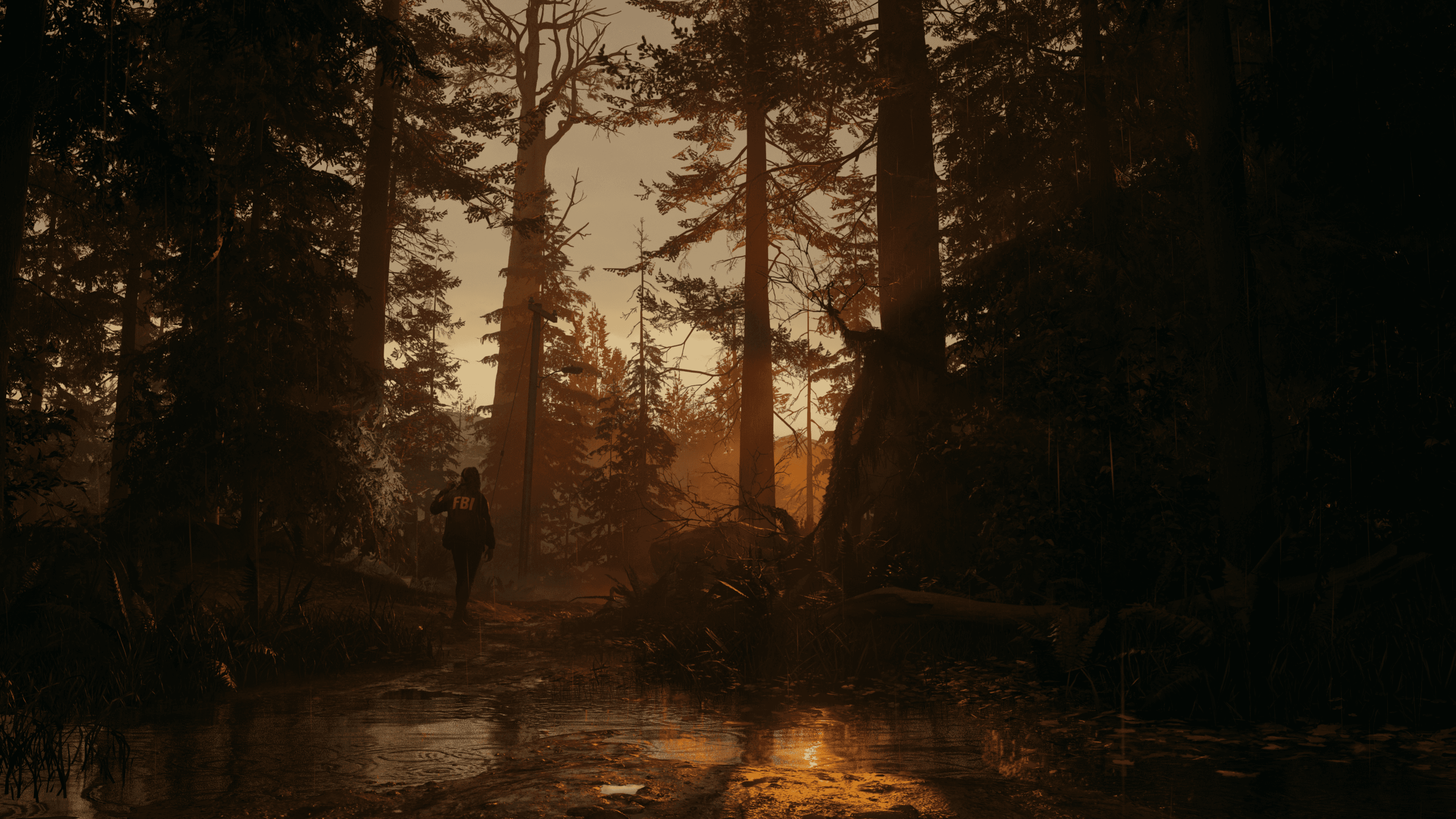
Alan Wake 2
Enhancing Visual Quality with KLASH
KLASH has significantly improved feedback collection by centralizing input that was previously scattered across different channels. Comments can now be provided directly, making feedback more tangible and immediately actionable. Feedback shared through KLASH comments or converted into Jira tickets ensures that nothing important is lost and communication remains clear and efficient.
As a result, iteration cycles have become faster as artists spend less time interpreting feedback and more time making improvements. Centralized feedback has also created a shared visual understanding across the team, improving collaboration and alignment.
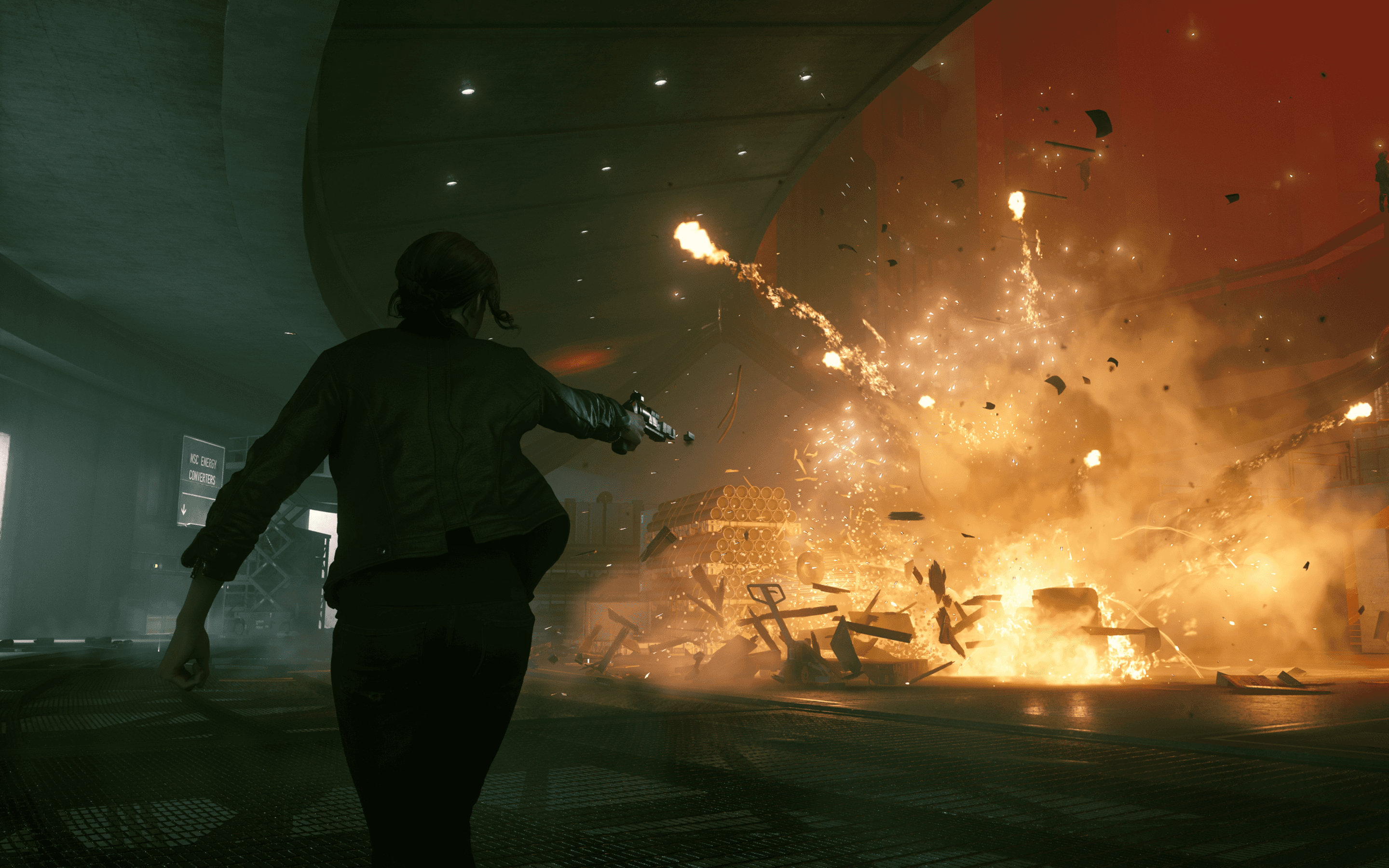
Control Ultimate Edition